
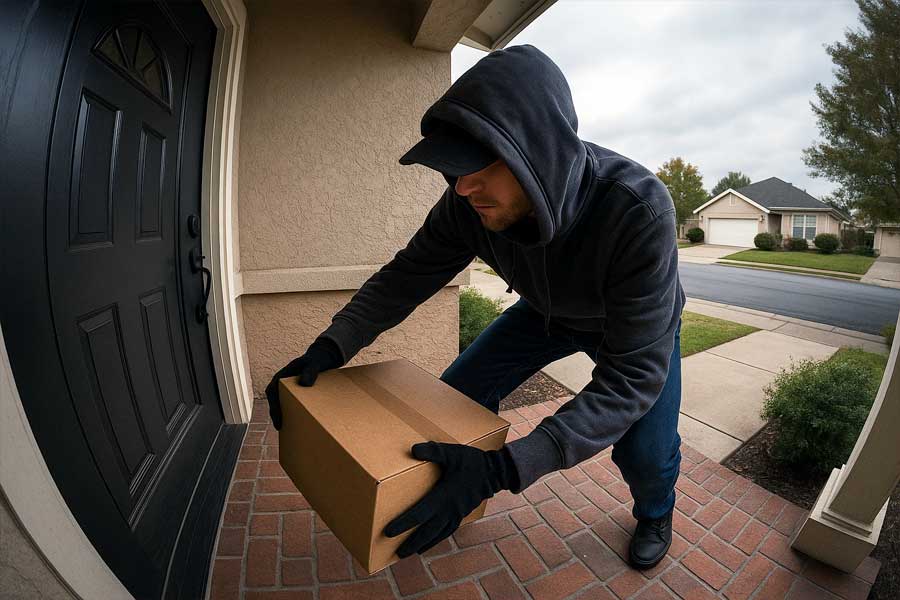
Home security systems like Ring, Nest, and other smart doorbells have become fixtures in many Colorado neighborhoods. These devices capture high‑definition video (and sometimes audio) of activity on your property and the public areas immediately adjacent to it. While this technology can enhance safety and deter crime, it has also become a powerful evidentiary tool in criminal investigations and defense strategies.
Increasing Use of Smart Doorbell Footage in Criminal Cases
Law enforcement agencies routinely review footage from private security systems when investigating crimes. In Colorado, police may request or subpoena Ring or similar footage when it’s reasonably likely to contain evidence related to a reported offense. For example, video capturing a vehicle leaving a burglary scene or individuals in the vicinity of a domestic disturbance can provide crucial investigative leads.
However, the use of this footage is governed by constitutional protections and privacy considerations. The U.S. Supreme Court has long held that individuals have Fourth Amendment rights against unreasonable searches and seizures, which applies when government actors seek access to private recordings in certain circumstances. Courts examine whether accessing footage constitutes a search and if a warrant is required.
When Law Enforcement Can Obtain Footage
Police may obtain smart doorbell recordings through:
1. Voluntary Consent:
If the homeowner or account holder consents, law enforcement can view and collect the footage without a warrant.
2. Subpoena or Warrant:
When consent isn’t given, law enforcement may seek a subpoena or warrant. The specific process varies depending on whether the recording is stored privately or on a cloud service. A warrant generally requires probable cause that the footage will contain evidence of a crime.
3. Exigent Circumstances:
In emergencies where immediate action is necessary to prevent harm or preserve evidence, police may access footage without a warrant, though this exception is narrowly applied.
In Colorado, the general provisions governing search warrants and procedures are found in the Colorado Rules of Criminal Procedure and related statutes. For example, CRS § 16‑3‑301 et seq. outlines the grounds and procedures for issuing search warrants when there is probable cause.
What This Means for Defense and Prosecution
For Prosecutors:
Smart doorbell footage can corroborate witness statements, place a suspect at a scene, or show the sequence of events. Clear video of a suspect engaging in criminal activity can strengthen the State’s case.
For Defense Attorneys:
Defense counsel may examine whether law enforcement obtained the footage lawfully. If police accessed recordings without a warrant, consent, or valid exigent circumstance, a motion to suppress the footage could be appropriate. Suppression could significantly weaken the prosecution’s case if the disputed recording is central to the evidence.
Additionally, footage may be used to challenge the State’s narrative. For instance, video might show that an alleged assault occurred differently than described by a complaining witness, or that the defendant was elsewhere at the relevant time.
Privacy and Public Areas
It’s important to recognize that smart doorbells often capture more than just a homeowner’s property. Cameras frequently record sidewalks, streets, and other public spaces. In these areas, the expectation of privacy is reduced, and footage may be more readily used by law enforcement.
However, recordings that capture private areas where individuals have a reasonable expectation of privacy—such as through windows into a home—raise additional legal questions. Courts may treat such invasions differently under Fourth Amendment analysis.
Tips for Homeowners and Tenants
Know Your Rights:
Understand that while law enforcement can request footage, you are not always required to provide it voluntarily. You may consult an attorney before consenting to share recordings.
Understand Your System’s Terms of Service:
Cloud‑based systems may store recordings with third‑party providers. Be aware of how long footage is retained and who has access under the provider’s terms.
Preserve Evidence Promptly:
If footage may be relevant to an incident, preserving it before it is overwritten increases the likelihood it remains available for legal review.
Seek Clarity on Legal Questions
Smart doorbell footage will continue to play an expanding role in criminal investigations and defense. If you are involved in a legal matter where this type of footage may be relevant, discussing the specifics with counsel experienced in criminal law, such as Boal Law, can help you understand your rights and options under Colorado law.